
The Impact of Precise Borders on Your Garden’s Design
Your garden is a living canvas, and the details matter. One key detail that can transform your outdoor space is adding precise borders to your lawn or garden. This practice not only organizes plants but also gives your landscape a neat, finished look. The right borders can enhance the beauty of your garden by creating clear lines that guide the eye and highlight features in your yard.
What Is Lawn Edging?
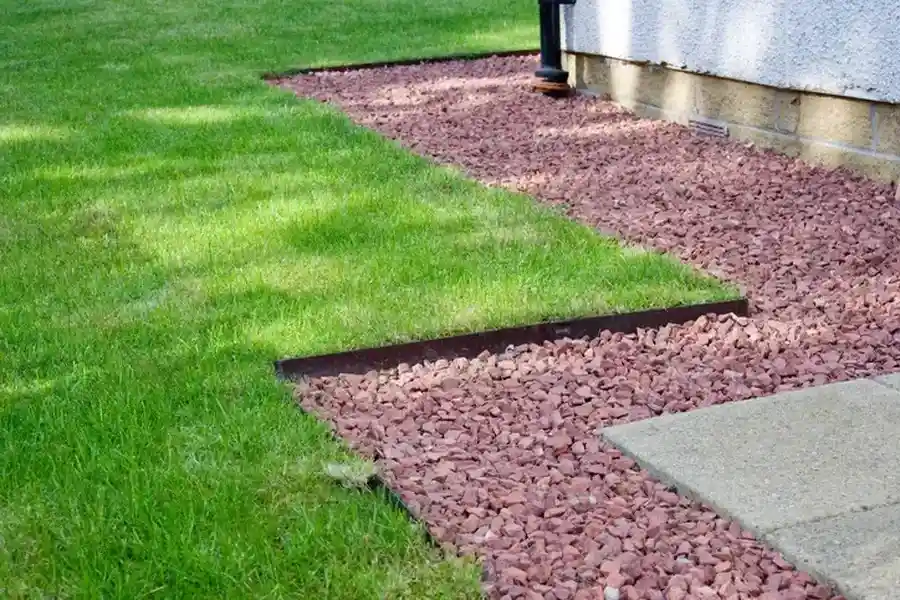
Lawn edging refers to the practice of creating distinct boundaries between different parts of your garden or yard. These boundaries might separate grass from flower beds, paths, or other landscaped areas. By using materials like stone, wood, metal, or plastic, you can define these spaces with clean lines. Lawn edging helps prevent grass from invading flower beds and keeps everything looking tidy.
The Benefits of Using Lawn Edging
Using lawn edging offers several benefits that go beyond aesthetics. First, it keeps grass and weeds from encroaching into flowerbeds, reducing maintenance work. Second, it makes mowing easier because you have a clear line to follow, which saves time and effort. Additionally, lawn edging enhances the visual appeal of your landscape by providing clear separation and focus points, making your garden more attractive.
Choosing the Right Materials for Edging
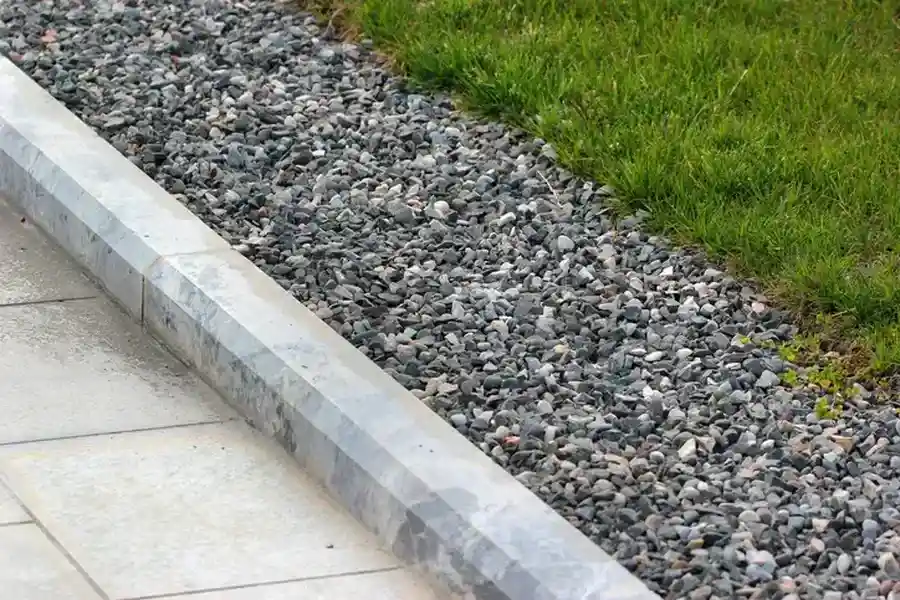
Selecting the best material for your lawn borders depends on various factors such as style preference, durability needs, and budget. Common choices include:
- Stone: Offers a natural look and lasts long but can be expensive.
- Wood: Affordable and versatile with a rustic charm; however, it may decay over time.
- Metal: Provides sleek lines; durable but can rust without proper treatment.
- Plastic: Cost-effective and easy to install but less durable than other options.
Common Challenges With Installing Borders
One of the challenges when installing borders is ensuring they are level and secure. Uneven ground can lead to uneven edges that don’t look professional. Additionally, choosing the wrong material can result in early wear and tear. It’s crucial to plan carefully and select materials that match your climate and garden conditions to avoid these problems.
Steps to Install Garden Borders
If you’re considering adding borders to your garden, here’s a simple process:
- Plan the layout: Sketch where you want the borders before purchasing materials.
- Clear the area: Remove any debris or plants that could interfere with installation.
- Dig trenches: Make sure they are deep enough for stability.
- Install the border: Place your chosen material into the trench securely.
- Backfill soil: Pack soil against both sides of the border to keep it in place.
Best Practices for Maintaining Borders
Once your garden borders are installed, maintaining them ensures their longevity and continued visual appeal. Follow these practices:
- Regularly check for loose sections and repair as needed.
- Keep edges free of dirt buildup to preserve cleanliness.
- Treat wooden edges with sealant annually to prevent rot.
- Inspect metal edges for rust and apply paint or sealant if necessary.
A Simple Way to Boost Your Garden’s Beauty
Adding well-defined borders to your garden enhances its beauty while reducing maintenance efforts. Whether you prefer the classic look of stone or the modern appeal of metal, BlueGreen Landscape LLC has options for every style. For help transforming your landscape in Woodbridge, VA, call us at (571) 503-0999. Together, we can make your garden stand out with expertly crafted borders that suit your taste and meet your needs.