
Discover Effective Methods to Keep Weeds at Bay
Gardening enthusiasts know how frustrating weeds can be. They compete with plants for nutrients, water, and light. Finding ways to manage these unwelcome guests is vital for a thriving garden. One effective strategy is using various ground covers. This approach not only helps control weeds but also offers additional benefits like moisture retention and soil temperature regulation.
Benefits of Using Ground Covers
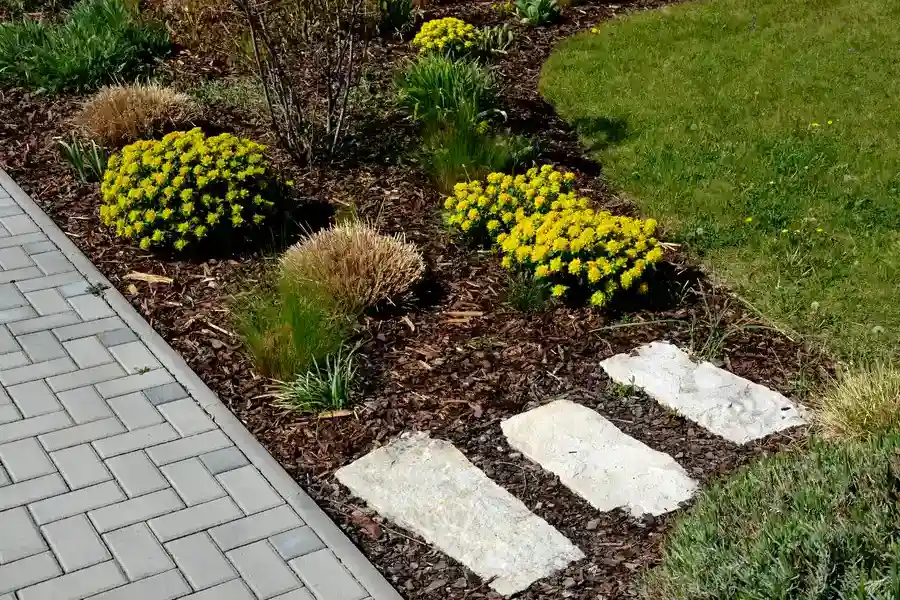
Using ground covers such as bark, straw, or leaves provides multiple advantages. It reduces the need for frequent watering by conserving moisture in the soil. Additionally, these coverings help regulate soil temperature, keeping it cooler in summer and warmer in winter. By blocking sunlight, they prevent weed seeds from germinating.
The Role of Mulching in Weed Control
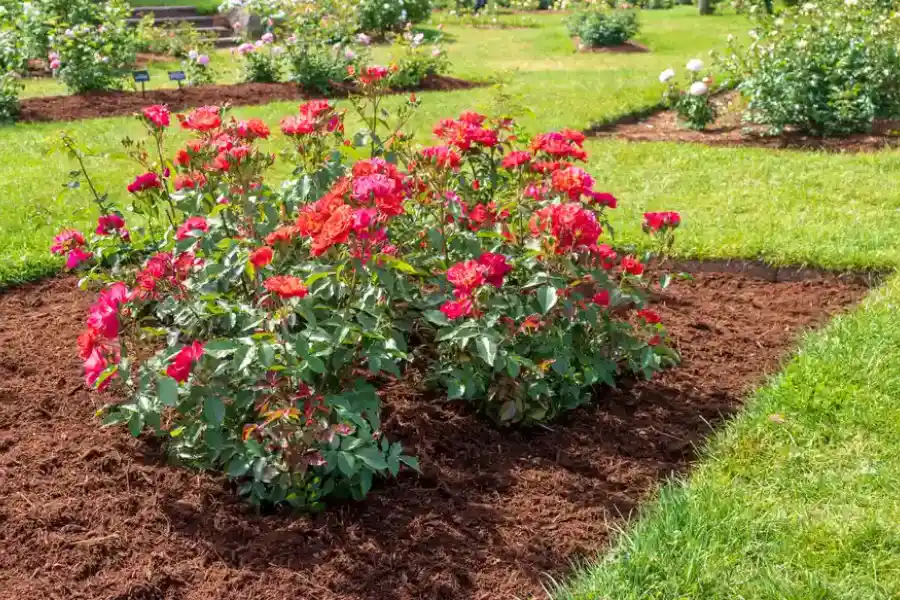
One popular type of ground cover is mulching. This method involves spreading organic or inorganic materials over the soil surface. It creates a barrier that suppresses weed growth while enhancing the aesthetic appeal of your garden. Organic options include wood chips and compost, which break down over time, enriching the soil.
Choosing the Right Materials
Selecting the appropriate materials depends on several factors, including plant types and climate. For example, wood chips work well around trees and shrubs, while straw suits vegetable gardens. Inorganic options like stones or rubber are ideal for areas requiring minimal maintenance.
Common Challenges in Weed Management
Despite their effectiveness, ground covers like mulching aren’t foolproof solutions. Some common challenges include selecting unsuitable materials and applying them incorrectly. Over time, organic materials decompose and may require replenishment to maintain efficacy.
- Choosing inappropriate materials for specific plants
- Applying an insufficient layer that doesn’t block sunlight
- Allowing weeds to establish before application
Implementing Effective Strategies
To maximize effectiveness, apply a thick layer of mulch (around 2-4 inches). Ensure complete coverage without smothering plants. Regularly check for gaps where weeds might emerge. Consider using landscape fabric under the mulch for added protection against persistent weeds.
Cost Considerations and Value
The cost of implementing this method varies based on material choice and garden size. Organic options tend to be more budget-friendly but require periodic replacement. In contrast, inorganic alternatives offer longevity but come with higher upfront costs. Despite these expenses, the long-term benefits make it a worthwhile investment.
Practical Gardening Advice
For optimal results, plan your garden layout before applying any ground cover. Evaluate the needs of different plants and choose suitable materials accordingly. Regularly monitor weed activity and adjust your strategy as needed.
Create a Lush, Weed-Free Garden With Proper Techniques
A successful garden requires careful planning and ongoing maintenance. Incorporating effective strategies ensures that you enjoy a vibrant, healthy garden year-round. Contact BlueGreen Landscape LLC at (571) 503-0999 to learn more about enhancing your gardening efforts. Based in Woodbridge, VA, we provide expert guidance tailored to your needs.